


Rheumatoid Arthritis (RA) is a chronic condition that causes joint pain, stiffness, and inflammation, affecting millions of people across the U.S. Traditional treatments, like pain medications and physical therapy, help manage symptoms but don't always provide long-lasting relief. In recent years, Low-Level Laser Therapy (LLLT), also known as red light therapy, has gained attention as a promising option for managing RA. This therapy uses light to reduce inflammation, promote healing, and alleviate pain. In this review, we will explore the potential benefits of red light therapy for pain and its role in improving the quality of life for RA patients.
What is Low Level Laser Therapy
Definition and Mechanism of Action
Low-Level Laser Therapy (LLLT) uses specific wavelengths of light, usually in the red or near-infrared range, to penetrate the skin and stimulate cellular activity. The light energy promotes healing by increasing circulation and reducing inflammation in the treated area. Red light therapy devices are designed to deliver controlled amounts of light energy that enhance the body's natural repair processes. For RA sufferers, this means faster recovery, less pain, and improved joint function.
Different Types of LLLT Devices
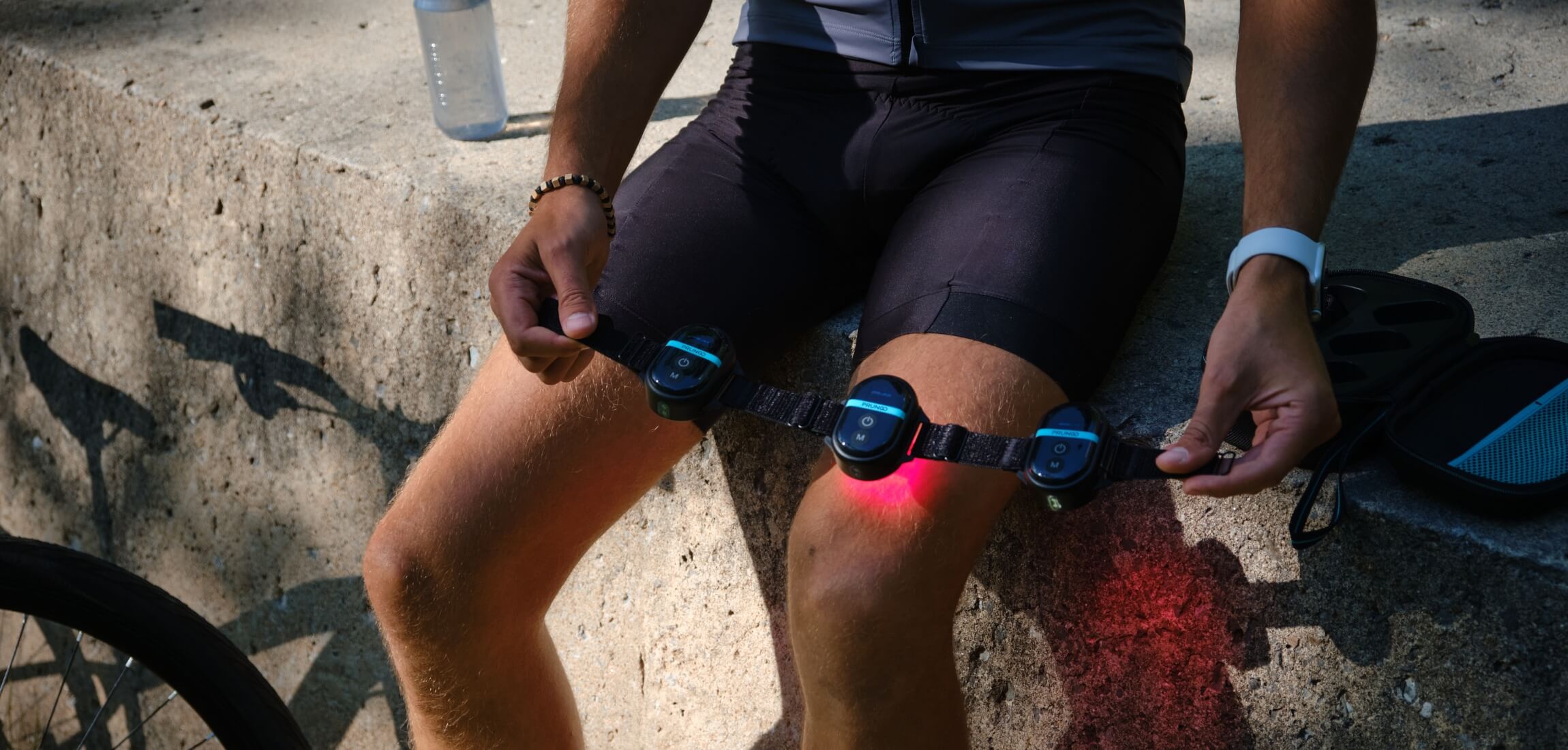
LLLT devices vary in design and application. Some are portable red light therapy units for personal use at home, while others are designed for clinical settings. Red light therapy machines range from handheld devices to red light therapy panels and red light therapy masks. The medical-grade red light therapy devices used in medical offices typically offer more concentrated light and are calibrated for maximum effectiveness, but red light therapy at home devices like the PRUNGO FluxGo offer a more convenient solution for daily use.
Safety and FDA Approval
When using FDA approved red light therapy devices, safety is a top priority. The FDA evaluates these devices for their effectiveness and safety before allowing them to be marketed. Most red light therapy devices are safe for home use, with minimal side effects, making them a viable option for those seeking relief from RA pain without the need for medications.
How LLLT Affects Rheumatoid Arthritis
Pain Relief and Inflammation Reduction
One of the primary benefits of red light therapy for pain is its ability to reduce inflammation. Studies have shown that red light therapy devices can help lower the levels of pro-inflammatory cytokines, which are responsible for the pain and swelling in RA. By using FDA approved red light therapy devices for pain, patients may experience reduced joint discomfort and less swelling, leading to better mobility.
Impact on Joint Function and Mobility
In addition to relieving pain, red light therapy at home full body can also enhance joint flexibility. The therapy helps to repair damaged tissue, improve blood flow, and restore mobility. Over time, consistent use of medical-grade red light therapy devices can help slow down the progression of RA and reduce stiffness, allowing individuals to move more freely and comfortably.
Long-Term Benefits of Regular LLLT Use
Using red light therapy at home regularly can bring long-term relief to RA patients. By promoting cellular repair, this therapy encourages long-lasting pain relief and better joint health. Many patients report feeling less stiffness and greater flexibility with continued use of red light therapy for pain, providing a natural way to manage chronic symptoms.
Medical-Grade Red Light Therapy Devices: A Game Changer for RA Patients
Benefits Over Conventional Treatments
Traditional treatments for RA often come with side effects, such as gastrointestinal issues or long-term reliance on pain medications. Medical-grade red light therapy devices provide an alternative by targeting the root cause of inflammation without the side effects of drugs. This makes them an appealing option for those looking for non-invasive, drug-free treatments.
Technology Behind Medical-Grade Devices
Red light therapy machines are designed with advanced technology to deliver precise wavelengths of light to treat RA. Unlike over-the-counter devices, FDA approved red light therapy devices for pain are built to ensure the correct intensity and wavelength, maximizing their therapeutic potential. Devices like the PRUNGO FluxGo and FluxGo Lite provide high-quality, medical-grade therapy at home, offering patients effective pain relief.
Selecting the Right Device for RA Treatment
Choosing the right red light therapy device for RA treatment depends on individual needs. Factors such as size, portability, and light intensity play an important role in determining the best device. Portable red light therapy devices like the PRUNGO FluxGo Lite are perfect for on-the-go relief, while larger red light therapy panels are more suited for full-body treatments.
Clinical Studies on LLLT for Rheumatoid Arthritis
Review of Recent Clinical Trials
Recent studies have shown promising results for LLLT in treating RA. Research indicates that red light therapy devices can significantly reduce pain and inflammation. Clinical trials support the use of FDA approved red light therapy to help manage the symptoms of RA, offering hope for individuals who struggle with traditional treatments.
The Role of Photobiomodulation in RA Treatment
Photobiomodulation (PBM) is the term used to describe the biological effects of light therapy on the body. Medical-grade red light therapy devices use PBM to enhance the body's healing process by stimulating mitochondria, which in turn increases cellular energy. This mechanism helps reduce inflammation and accelerate the healing of damaged tissues in RA patients.
Challenges and Limitations of Clinical Trials
Despite the positive findings, clinical trials on LLLT for RA often face challenges such as small sample sizes and variability in treatment methods. While LLLT shows great potential, further studies are needed to determine the most effective treatment protocols and the long-term benefits for RA patients.
How to Integrate LLLT into Your RA Treatment Plan
Recommended Treatment Frequency and Duration
For maximum effectiveness, RA patients should use red light therapy at home regularly. Most recommendations suggest 15 to 20-minute sessions, 3-5 times a week, depending on the severity of symptoms. Consistent use helps to maintain pain relief and mobility improvements.
Combining LLLT with Other RA Treatments
While LLLT can be highly effective on its own, combining it with other RA treatments, such as physical therapy or medication, can enhance results. FDA approved red light therapy devices for pain work well alongside anti-inflammatory medications to offer comprehensive relief.
Self-Care Practices to Enhance LLLT Effectiveness
Incorporating lifestyle changes such as exercise, diet, and stress management can help improve the outcomes of red light therapy for pain. Simple practices like gentle stretching and proper hydration can complement the therapy and promote overall well-being.
Common Myths About LLLT for Rheumatoid Arthritis
LLLT is Just a Temporary Solution
While some people believe that red light therapy provides only short-term relief, the reality is that consistent, long-term use can provide lasting benefits. Medical-grade red light therapy devices help manage chronic pain, reduce inflammation, and prevent long-term joint damage.
Red Light Therapy Devices Are Only for Pain Relief
Although pain relief is a significant benefit, red light therapy devices also aid in improving mobility and reducing joint stiffness. These devices address multiple aspects of RA, not just pain management.
LLLT Can Replace Prescription Medication
LLLT should be viewed as a complementary treatment, not a replacement for prescription medications. It can reduce the reliance on painkillers and anti-inflammatory drugs, but it's essential to consult with a healthcare provider before discontinuing other treatments.
Conclusion
Low-Level Laser Therapy (LLLT) has proven to be an effective and non-invasive treatment for rheumatoid arthritis. With its ability to reduce pain, inflammation, and improve joint function, red light therapy is becoming a game changer for RA patients. FDA approved red light therapy devices, such as red light therapy panels and red light therapy masks, offer patients a convenient and reliable solution for managing RA symptoms. Devices like the PRUNGO FluxGo and PRUNGO FluxGo Lite bring the power of medical-grade red light therapy devices to your home, helping you experience the benefits of professional-level treatment on your own terms. If you're looking to improve your RA management, incorporating red light therapy for pain into your routine could be the key to a more comfortable and active life.
Share:
Enhancing Muscle Performance with Low-Level Laser Therapy: A New Frontier in Strength Training
Exploring the Impact of Phototherapy on Exercise-Induced Muscle Damage and Recovery